Read more


What Is the St. Olaf Route?
For centuries, the sea route from Scandinavia to the East followed the coast of Estonia. It was repeatedly used by King Olaf II Haraldsson of Norway, who ruled Norway from 1015 to 1028. In his attempt to reclaim his kingdom from the Danish king Cnut the Great, Olaf was killed on 29 July 1030 at the Battle of Stiklestad in central Norway.
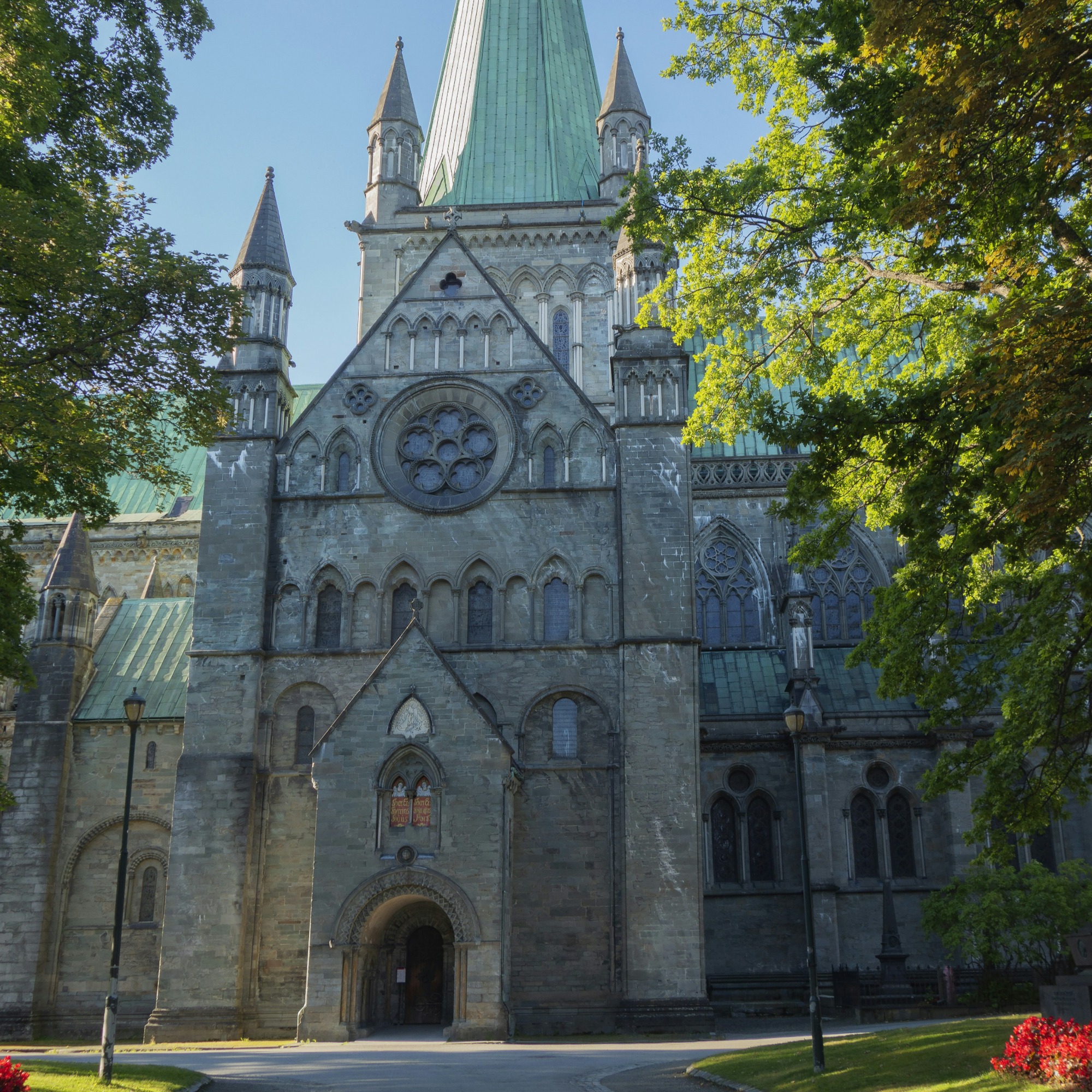
Because of his pivotal role as the founder of the Norwegian state and the ruler who established Christianity as the kingdom’s official religion, Olaf was canonized just one year after his death, in 1031. He is buried in Nidaros Cathedral in Trondheim, which until the Reformation was one of the most important pilgrimage destinations in Northern Europe.
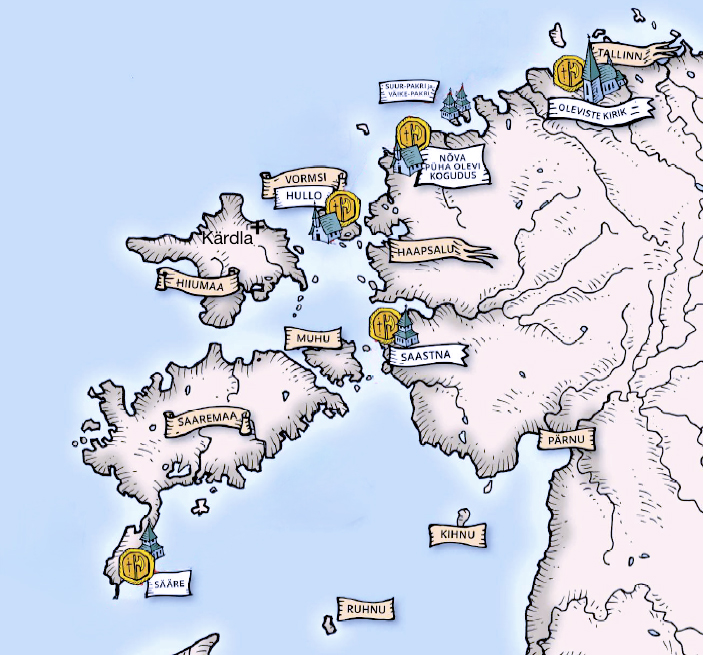
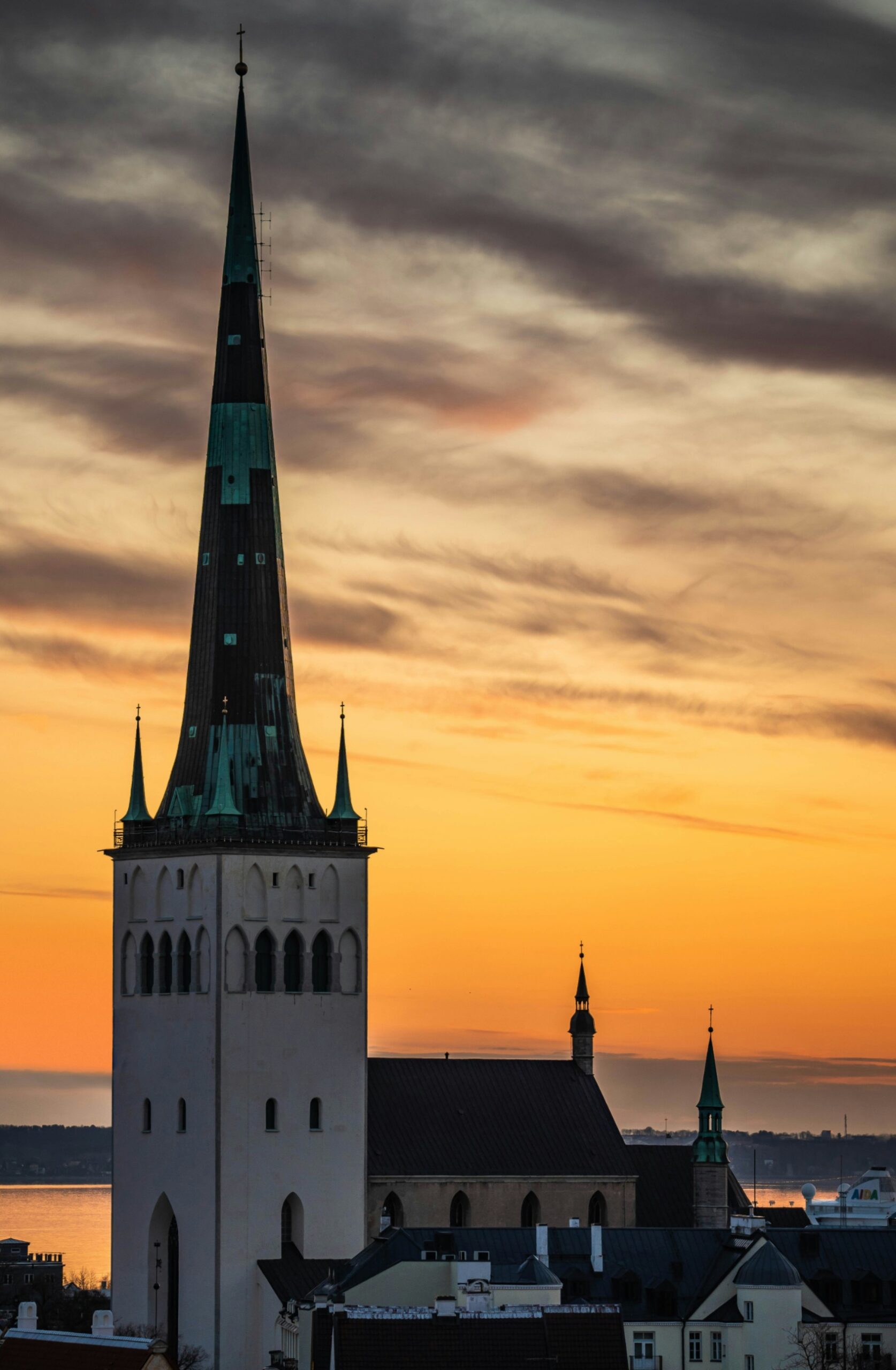
Churches and chapels dedicated to St. Olaf were established near ancient harbours, and their locations bear witness to the medieval sea routes and Estonia’s close historical ties with Scandinavia. In Estonia, sanctuaries dedicated to St. Olaf were situated along the maritime route from Saaremaa to Tallinn: Sääre Chapel, Saastna Chapel, St. Olaf’s Churches in Vormsi and Nõva, the St. Olaf Chapels on both Pakri Islands, and the well-known St. Olaf’s Church in Tallinn.
These historic sacred sites and the former maritime routes have inspired the creation of the modern Estonian St. Olav Way. The route begins at the tip of the Sõrve Peninsula, follows the coasts of Saaremaa and western and northern Estonia to St. Olaf’s Church in Tallinn, and continues via Finland to the pilgrimage route leading to Trondheim.
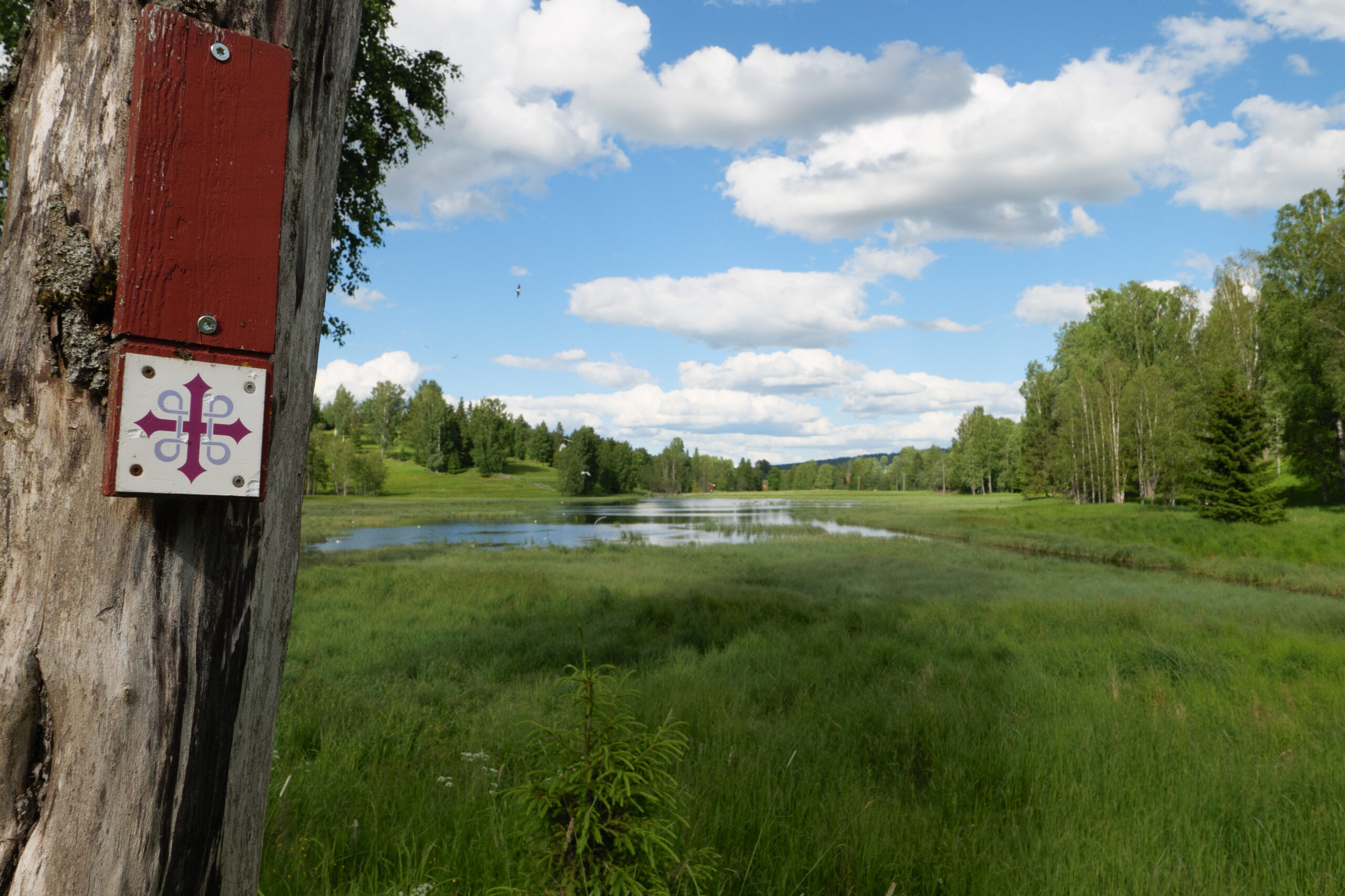
The Estonian St. Olav Way forms part of the international St. Olav Ways network, which connects the historic pilgrimage routes of Denmark, Sweden, Finland, and Norway. The route can be travelled on foot, by bicycle, or along waterways, and all St. Olav Ways are marked with the distinctive red Cross of St. Olaf.
The Estonian St. Olav Way is more than a modern interpretation of a historic maritime route. Each section of the trail has been designed around a distinct historical theme, helping to reveal different aspects of the shared cultural heritage of Estonia and Scandinavia.
Saaremaa focuses on the Viking Age and the earliest overseas connections; Southern Läänemaa highlights the ancient hillfort of Lihula and the emergence of Estonia’s first bishopric; Vormsi and Northern Läänemaa explore the cult of St. Olaf and the cultural heritage of the Coastal Swedes; Western Harjumaa presents the medieval pilgrimage tradition through Padise Monastery; and the final section leading to Tallinn emphasizes the experience of the modern pilgrim.
Together, these sections form a journey through nearly a thousand years of the shared history of Estonia and Scandinavia.
While medieval pilgrims were primarily motivated by religious devotion, today’s pilgrimage is more often a form of meditation and personal reflection. Setting out on such a journey is inspired by a desire to escape the routines of everyday life, discover new places, and experience the beauty of nature. In this way, a pilgrimage offers not only an outward journey, but also an inner one.
Modern pilgrimage routes, which are growing steadily in popularity, also invite travellers to explore local culture and traditions, connecting regional paths with a broader network of historic routes. They bring new life to more remote places and offer unforgettable experiences to those who travel from afar.